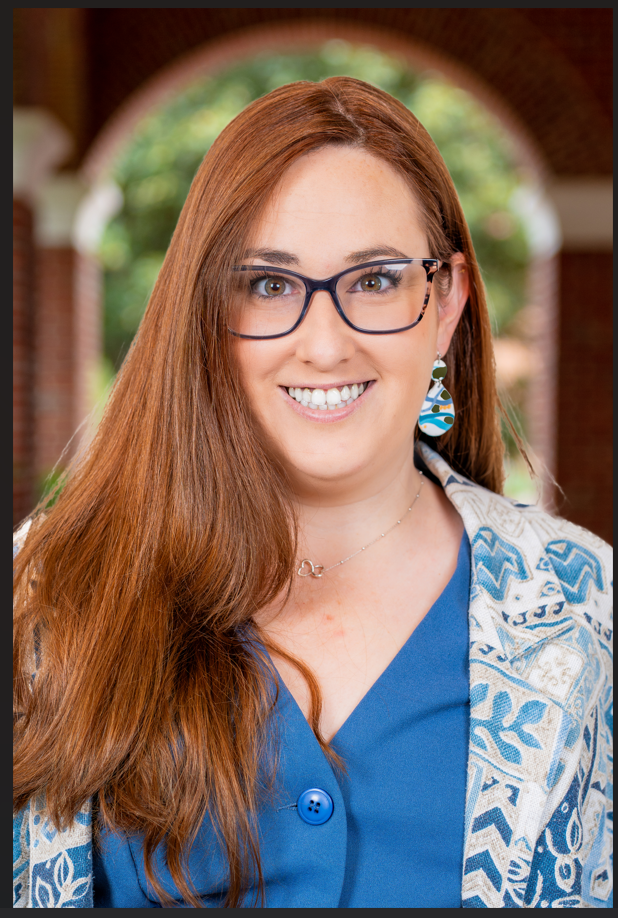
Como nace Nails and Nodes
Toda mi vida me he sentido bastante fuera de lugar en el sistema educativo. Cuando era niña fui tachada de fracaso académico a la friolera edad de 7-8 años. Un profesor del colegio tuvo una gran charla con mi madre sobre lo ¨retrasada¨ que iba y que quizá necesitaba repetir curso. Parte de ese fracaso venía de la mano de no entender nada y de tener miedo por no funcionar igual. Sentarme frente a los libros a memorizar nunca fue mi punto fuerte, sino más bien mi mayor pesadilla. Parecía tan fácil para todo el mundo estar en aquel sistema educativo donde la memorización era el pan nuestro de cada día y querer preguntarse cosas y comprender realmente lo que había en los libros una cosa fuera de lugar.
Pronto aprendí que no proceso la información como todo el mundo y que necesitaba crear para entender. De este modo, empecé a llenar las paredes de mi cuarto con posit de colores para organizar la información y crear visualizaciones que me ayudasen a entrar en la memorización. Empecé a buscar formas en las que el conocimiento no fueran palabras en un libro. Empecé a sucumbir a la idea de que era rara, luchando contra mi propia ¨incompetencia intelectual¨ e incluso peleando contra la etiqueta de ¨caso perdido¨ que me daban a veces. Dentro de ser un caso perdido, peleé por entender, pero sobre todo peleé por encontrarme en un sistema que no me buscaba ni tenía tiempo de comprenderme. Y ahí entendí que los sistemas educativos son sistemas generales creados para intentar abarcar demasiada gente no para incluir a todo el mundo.
Así me di cuenta de algo absolutamente fundamental: Son sistemas en los que nos meten para ofrecernos nuestro primer encuentro con la educación y el conocimiento, pero no con los que necesariamente conseguimos encajar. Ahí lo tuve claro, no se trata de encajar en el sistema, más bien de convivir con él y ver cómo el sistema puede acomodarse a ti. Así que decidí coexistir con el sistema y dialogar con él. Quedarme con lo mejor del sistema educativo y jugar a ser yo asumiendome como ese caso perdido en busca de encontrar su propio camino. No me encontré realmente hasta el doctorado después de 25 años intentando entrar a un sistema que me ahogaba cuando decidí que no tenía nada más que perder. Huí del sistema español y me mudé a Estados Unidos donde no sentí que me ahogaban tanto, sino que buscaban más la forma de que pensara críticamente. Las clases de repente se convirtieron en diálogos y aunque mi inglés dejaba que desear, encontré un lenguaje académico nuevo con el que me entendía mucho mejor. Use el doctorado para pensar, para ver las cosas a mi manera, escribir y producir desde la pasión, la curiosidad y el intento de reconciliación conmigo misma. Usé el doctorado para abrazar al caso perdido, aceptar el caos de mi forma de procesar la información y convertirlo en algo más.
En esa reconciliación nació el Hilorama de datos, como una práctica que busca darme más tiempo para pensar, para procesar, para comprender. Busca sobre todo crear y compartir sin la presión de la perfección académica. Nails and Nodes nace como una respuesta a un sistema que nos quiere produciendo a mil por hora y compitiendo entre nosotras. Nails and Nodes es incluso una práctica de cuidados que me permite respirar ante las demandas de producción intelectual de la academia.
Si has llegado hasta aquí, espero que entiendas que Nails and Nodes es más que la fiscalización o el arte de datos. Es una forma de rebelión académica donde lo importante está en el proceso en sí mismo de creación. No se trata de las publicaciones, los libros, las conferencias o la producción que nos exigen. Nails and Nodes es arte con datos para respirar, para pasar de la pantalla a lo físico, para volver a lo básico. Nails and Nodes es para compartir y crear desde la comunidad y para la comunidad. Nails and Nodes: Hilorama de datos es una carta de amor a la cultura, la literatura y la danza en España. Como todas las cartas de amor, no es perfecta ni pretende serlo, solo busca ser leída con pasión y curiosidad.
English
All my life, I have felt somewhat out of place in the educational system. When I was just seven or eight years old, I was already labeled as an ¨academic failure¨. One of my teachers had a serious conversation with my mother about how “behind” I was and suggested that I might need to repeat a grade.Part of that “failure” came from not understanding anything and from being afraid because I didn’t perform like everyone else. Sitting in front of books trying to memorize information was never my strength; it was my worst nightmare. It seemed so easy for everyone else to be part of a system where learning by heart was the daily norm. A system where wanting to ask questions or truly understand what was inside those books felt out of place.
I soon learned that I do not process information the way most people do. I need to create in order to understand. So I started covering the walls of my bedroom with colorful sticky notes, organizing information visually and building diagrams that helped me internalize what I was studying. I seeked out ways of knowing that were not just words on a page.At some point, I started to internalize the idea that I was a ¨weirdo¨.I fought against my supposed “intellectual incompetence,” and even against the label of “lost cause” that was sometimes placed on me. But within that label, I kept fighting not only to understand, but also to find myself inside a system that was not looking for me nor had the time to understand me.
Then I realized something fundamental: educational systems are general systems designed to accommodate too many people at once not to fit everyone in. They are meant to introduce us to knowledge, but they are not necessarily spaces where we can all belong in the same way. I understood then that it was not about fitting into the system, but about learning to coexist within it. It was about finding ways to adapt the system for me. So I chose to coexist within it. To dialogue with the system. To take what was useful from it while allowing myself to be who I was. Even if that meant embracing the identity of the so-called “lost case” searching for her own path.
I did not truly find myself until my PhD years, after twenty-five years of trying to squeeze into a system that felt suffocating. I reached a point where I felt I had nothing left to lose. I left the Spanish system and moved to the United States, where I no longer felt as though I was drowning. Instead, I found spaces that encouraged critical thinking. Classes became dialogues. Even though my English was far from perfect, I discovered a new academic language that felt more aligned with how I think. I used my PhD to think, to see things in my own way, to write and produce from passion, curiosity, and a desire for reconciliation with myself. I used it to embrace the “lost case,” to accept the chaos of my way of processing information, and to turn that chaos into something.
From that reconciliation, String Data Art was born as a practice that seeks to give me more time to think, to process, to understand. Above all, it seeks to create and share without the pressure of academic perfection. String Data Art born as a response to a system that constantly demands speed, productivity, and competition. It is even a form of self care, an intentional pause that allows us to breathe in the face of academia’s relentless expectations.
If you have read this far, I hope you understand that Nails and Nodes is more than data physicalization or data art. It is a form of academic rebellion in which the process of creation matters more than the output. It is not about publications, books, conferences, or the productivity metrics we are asked to meet. Nails and Nodes is art with data as a way to slow down, to move from the screen to the physical, to go back to the basics. It is about creating with and for the community. Nails and Nodes:String Data Art is a love letter to Spanish culture, literature, and dance. Like all love letters, it is not perfect, nor does it pretend to be. It simply hopes to be read with passion and curiosity.
SAC
March 24, 2026